The Dynamic Pricing Dilemma: When Algorithms "Peek" at Your Wallet and Urgency

Have you ever noticed ride-hailing fares suddenly double in a downpour, when they were normal five minutes earlier? That’s dynamic pricing. Inspired by Hanif Luthfi’s threads (1, 2), this post breaks down how it works and what it costs us—not just “prices go up,” but how our data and context are used to guess how much we’re willing to pay.
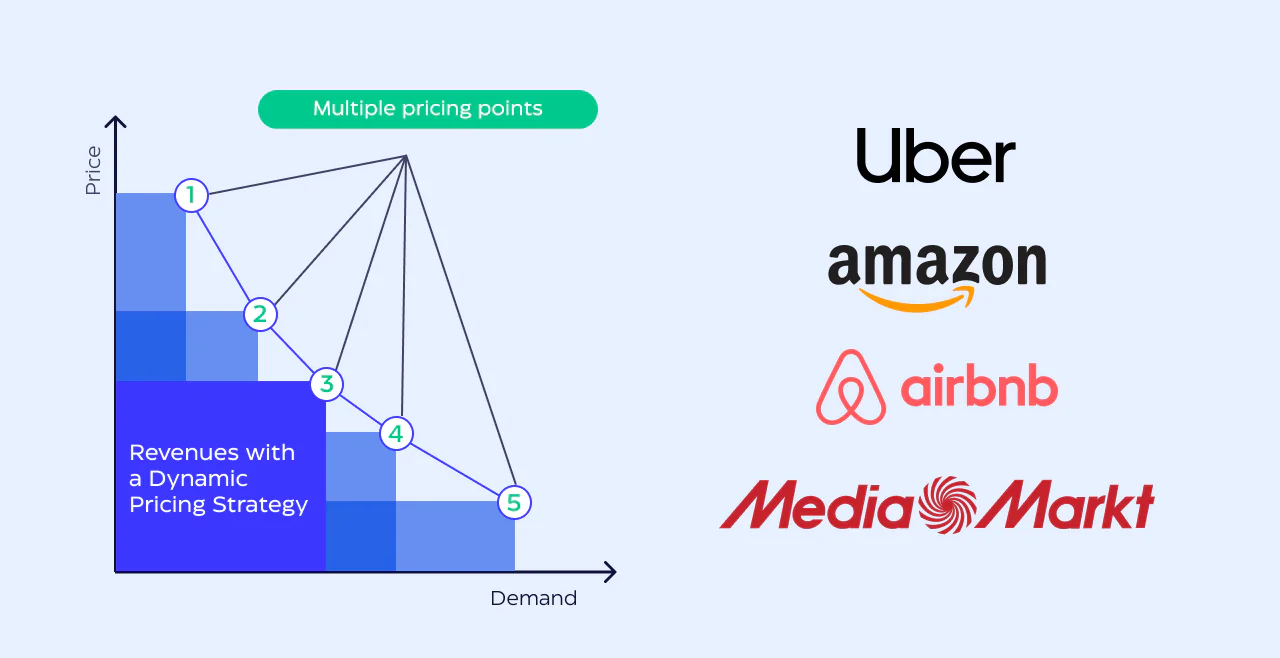
Dynamic pricing practices at tech companies
1. What Is Dynamic Pricing?
In short, dynamic pricing is flexible pricing: businesses adjust prices in real time based on market conditions. Prices can change within minutes—depending on demand, supply, time, weather, big events, and even your profile or behavior.
The basic logic looks like this:
- Demand — more people need the service, prices tend to rise.
- Supply — fewer drivers available (e.g. when it rains), prices rise.
- Time — rush hour, late night, or weekends can trigger a higher multiplier.
- External factors — rain, concerts, New Year’s, or even device and battery data.
In Indonesia we see it with Gojek and Grab: when demand in your area is high relative to drivers, prices go up—Gojek shows a “thermometer” indicator, and Grab explains that rain reduces driver supply and increases demand, so the multiplier kicks in. Indonesia’s transport ministry (Kemenhub) sets limits: the multiplier moves within per-zone tariff bounds (Zone I/II/III); platforms cannot exceed the cap. Algorithms are used so the number on screen is close to the highest price you’re still willing to pay—within that corridor. So it’s also about revenue maximization per transaction.
2. Impact on Society
The issue isn’t just prices going up and down, but unequal bargaining power: platforms have the data and the algorithms; we don’t know exactly how the number on screen is set. Those who often lose out: people in a pinch, busy, or with a dead battery—they pay more because their bargaining position is weak.
- Exploiting urgency — In rain, late at night, or in a quiet area, your bargaining power drops; you pay based on how desperate you are. Research on surge pricing shows benefits aren’t shared evenly; some groups (including drivers who work long hours, especially women) tend to lose out.
- Data-based discrimination — Prices can differ by phone model, shopping history, or battery level. The FTC’s 2025 study notes the data used is very broad: location, browser, cart, shopping patterns.
- Budget uncertainty — For those who rely on Gojek/Grab for getting to work, monthly transport costs are hard to predict. Debate over fare regulation shows the tug of war between consumers, drivers, and platforms.
3. The Upside: Why Companies Do It
- Keeping the ecosystem going (supply incentives) — Without higher fares in rain or traffic, drivers may not want to take orders; higher prices are the “bait” so supply follows demand. Grab explains that surge pricing balances the number of drivers and riders.
- Regulatory compliance — Gojek and Grab need to stay profitable while obeying Kemenhub’s tariff caps. Jakarta Globe notes their commitment to compliance while protecting driver income.
- Trade-off — On one side: efficiency and keeping the service running. On the other: risk of exploitation for consumers who are in a pinch or poorly informed.
4. Reflection: Prices That Are More “Individual”
Prices are increasingly individual—shaped by data and algorithms. In Indonesia it’s not only ride-hailing: Traveloka uses dynamic pricing for flights and hotels (demand, season, events, behavior). Traveloka’s Price Alert feature helps you track fluctuations—but those who don’t have time to monitor still end up paying more. OECD research: disclosure alone has limited effect; consumers still see the practice as unfair. If we’re not careful, we easily fall victim to decision fatigue that algorithms exploit.

Prices adjusted by multiple factors according to FTC
5. Small Tips for Smarter Consumption
We can’t remove dynamic pricing, but we can push back a little or at least not always give in—and in an Indonesian context there are some practical ways to work around the algorithm.
-
Don’t panic—wait a few minutes
Gojek or Grab surging in the rain? Try waiting 5–10 minutes. Demand spikes are often short-lived; after the first wave of orders is served, the multiplier often drops. Similar research abroad (NPR) confirms that waiting a few minutes can save a lot. -
Compare Gojek and Grab
Have both apps and check prices before ordering. One platform may be “hot” while the other is still normal—zones and algorithms differ. That adds a bit of competitive pressure on the algorithm. -
Change pickup point (when safe)
Surge zones have invisible boundaries; two nearby points can have different multipliers. Investigative work on Grab’s surge model (Philippines) showed how important it is to understand how zone and time affect price. Here, choosing a pickup point a bit away from the busiest spot or the worst of the rain can help—as long as it’s safe and reasonable. -
Flights/hotels: use Price Alert
If you often book via Traveloka (or similar), use the Price Alert / Notifikasi Harga feature. You get notified when prices move meaningfully and can see price history—so you’re not relying on a single check when prices happen to be high. -
Mind your battery (and context privacy)
Don’t signal that you’re in a bind—nearly empty battery, isolated location. Charge your phone before ordering when you can; reduce information the algorithm can use to raise your price. -
Use incognito for e‑commerce
For online shopping or browser-based booking, prices are often personalized from history and cookies. Incognito or a clean browser can show more “neutral” prices. -
Choose time and route
If it’s not urgent, avoid ordering ride-hailing at peak hour or right when the rain starts. A small change in time or pickup point can change the multiplier.
Closing
Dynamic pricing is double-edged: efficiency and service when you need it on one side, exploitation of desperation on the other. In Indonesia, Kemenhub’s tariff caps limit how high the multiplier can go—but the debate over “cap vs. service sustainability” is still alive. The reflective question isn’t only whether these prices are fair, but who controls how we are valued. If prices become more personal, maybe what we should demand isn’t just discounts—but the right to know. What do you think?
Comments & Discussion